The Bone Basics Project
“I wish I had known more about this when I was younger – it would have made a big difference!”
Who would have thought a few mornings at the Nubeena CWA Hall could have people talking about bones all over the Tasman Peninsula?
Earlier this year, 15 local participants—mostly women, along with a couple of local men—gathered for the Bone Basics Project, a free community education program delivered by Arthritis & Osteoporosis Tasmania in partnership with Tasman Voice for Health. What started as an opportunity to learn more about osteoporosis quickly turned into lively conversations, shared experiences and plenty of “I had no idea!” moments.
Over morning tea participants discovered the difference between osteoporosis and osteoarthritis, learnt what really helps keep bones strong, and picked up practical tips they could take home. For many, simply having the chance to ask questions face-to-face—and hear other people’s stories—was just as valuable as the information itself.
One fact, in particular, seemed to stick with everyone. When women reach peri-menopause they need around 1,300 milligrams of calcium every day plus Vitamin D to help maintain healthy bones—that’s about four serves of calcium-rich foods, such as milk, yoghurt and cheese. Participants also learned there are plenty of other ways to boost calcium, even if you need to reduce fat, including calcium-fortified milk alternatives, tofu, leafy green vegetables and tinned fish with bones.
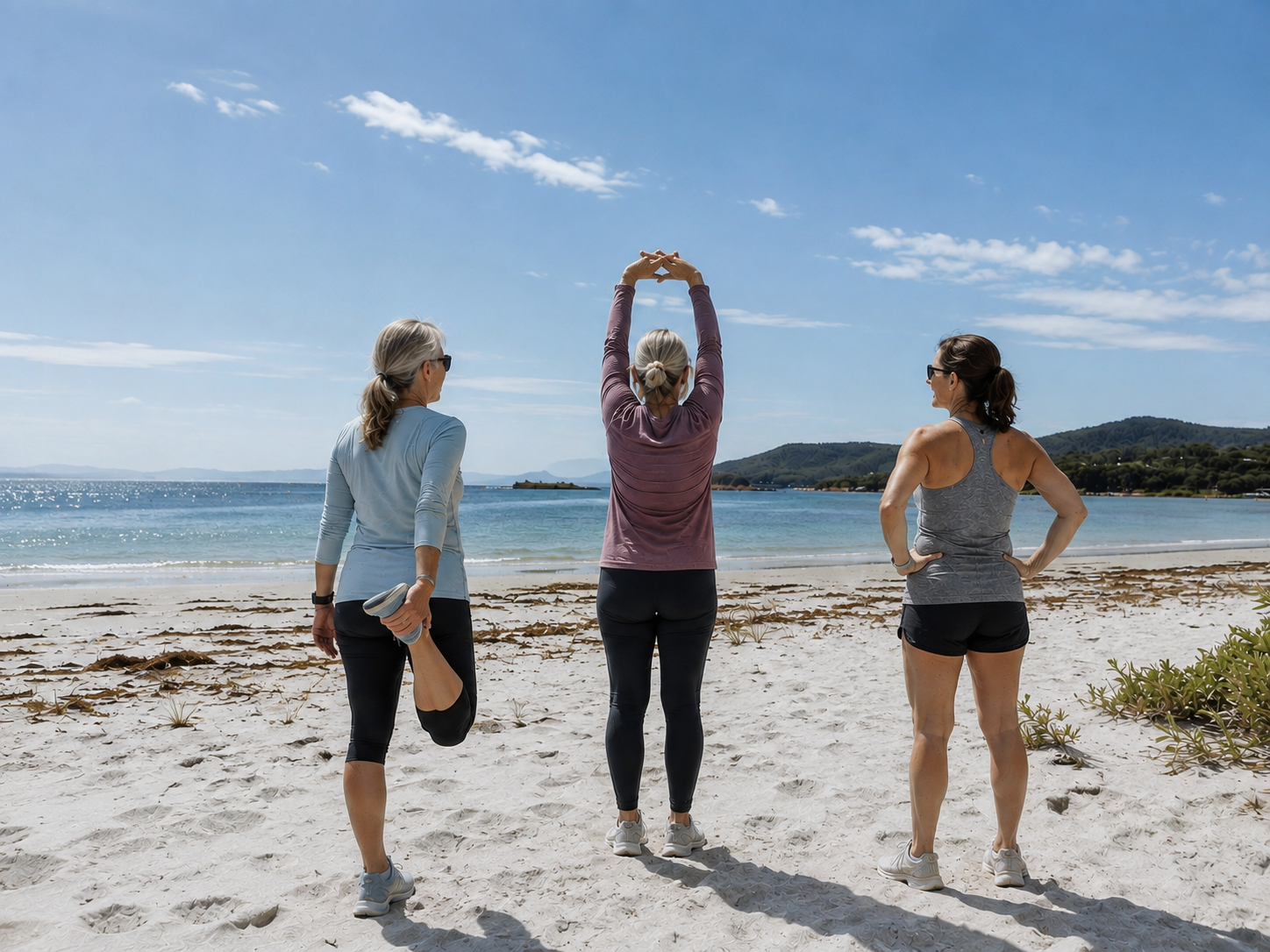
The other “Aha!” moment was understanding the importance of light, impact activity to signal to our bone-making cells that they need to keep making bone material. Activities like walking up and down stairs, skipping, using step activities in amongst our pilates, zumba or other aerobic activities is critical. Our body responds to the demand we place on it – so, if there is not enough of the right activity for bone growth then our body loses bone density. The group learned they could increase their bone density simply by changing what they did.
It wasn’t long before those conversations started popping up elsewhere. The local IGA began receiving requests for calcium-fortified foods, adding new products to its shelves. Local Zumba classes introduced more impact and weight-bearing movements after participants shared what they had learned, while bone health became a talking point in community groups and around kitchen tables across the Peninsula.
The program also shone a light on the realities of staying healthy in a rural community. Participants spoke about long travel distances, limited exercise options and the cost of accessing services—reminding everyone why opportunities to learn, connect and support one another close to home are so important.
By the end of the program, participants had almost doubled their knowledge of osteoporosis, with many saying they felt far more confident looking after their bone health. Nearly half also chose to continue their journey by becoming members of Arthritis & Osteoporosis Tasmania.
Sometimes, all it takes is a welcoming room, a pot of tea and a conversation to start changing habits that may have such a lasting impact on our health.